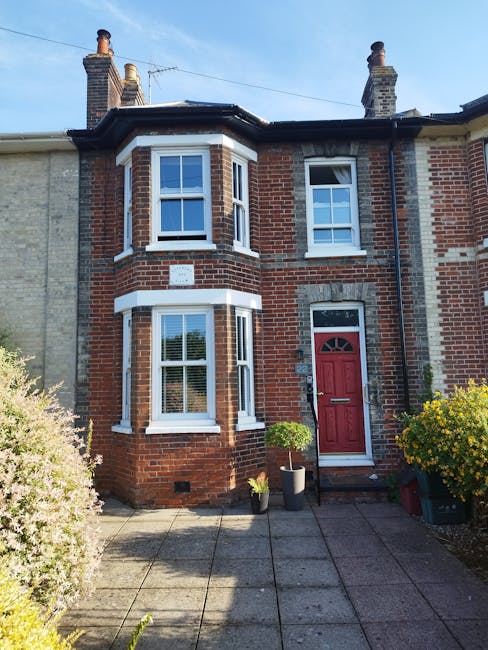
West Brompton removals for Victorian terrace properties: a practical guide for a smoother move
Moving out of a Victorian terrace in West Brompton can feel straightforward on paper, and then the reality hits: narrow hallways, awkward stair turns, sash windows that won't budge, and a street where parking has to be thought about well before the van arrives. That is exactly why West Brompton removals for Victorian terrace properties need a more considered approach than a standard move. In this guide, we'll walk through what makes these homes different, how the moving process usually works, where the common headaches are, and how to reduce stress without overcomplicating things.
If you are planning a house move in the area, this article will help you make better decisions about access, packing, timing, and the type of help that actually suits your property. To start with the basics, many people begin by looking at home moves, then narrow it down to the right level of support for a terrace property with tighter access and more fragile finishes.
Let's face it: Victorian terraces are lovely, but they do not always make moving day easy. The good news? With the right preparation, they can still be moved efficiently, carefully, and without the sort of last-minute drama nobody wants.
Contents
- Why West Brompton removals for Victorian terrace properties matters
- How the process works
- Key benefits and practical advantages
- Who this is for and when it makes sense
- Step-by-step guidance
- Expert tips for better results
- Common mistakes to avoid
- Tools, resources and recommendations
- Law, compliance, standards and best practice
- Options, methods and comparison table
- Case study or real-world example
- Practical checklist
- Conclusion
- Frequently asked questions
Why West Brompton removals for Victorian terrace properties Matters
Victorian terrace properties in West Brompton often combine charm with logistical quirks. That combination matters because moving furniture and household goods safely is not only about muscle. It is about angles, planning, protection, timing, and understanding the building itself.
Terraced homes were not designed around modern sofas, double mattresses, American-style fridge freezers, or the kind of flat-pack furniture that arrives in suspiciously large boxes. Staircases can be steep and narrow. Landings may be tight. Front gardens, if they exist, can be tiny. And in some homes, the route out is more complicated than it looks from the street.
This is where a properly planned removal makes all the difference. You need a team that thinks about more than simply loading a van. They need to consider where the vehicle can stop, how long carrying routes will be, whether items need dismantling, and how to protect walls, bannisters, and flooring. In a property with period features, that care is not a luxury. It is the job.
There is also the neighbourhood context. West Brompton sits in a busy part of London, and street conditions can change quickly. A good move plan needs to account for neighbours, traffic, limited waiting space, and the possibility that the van will have to work around real-world constraints rather than perfect conditions. That is normal, by the way. Not ideal, but normal.
Expert summary: With Victorian terrace removals, the biggest risks are rarely the boxes themselves. It is usually access, protection, timing, and the gap between what a home looks like and how it behaves on moving day.
How West Brompton removals for Victorian terrace properties Works
A well-run move in a Victorian terrace usually starts before anyone lifts a single item. First comes the survey or discussion: what is being moved, how big are the items, how many floors are involved, and what is the access like at both ends? If there is a piano, a large wardrobe, or a glass dining table, that needs to be known early. A vague description can lead to a poor-sized vehicle or not enough crew, and then the day gets messy fast.
From there, the job is usually broken into stages. Good movers will assess the front door width, hall width, staircase turns, loft access, and whether larger items can be moved safely without damage. In some cases, they may recommend dismantling furniture ahead of time. In others, they may suggest using extra protection such as blanket wrapping, door-frame covers, or floor runners.
The loading stage is usually more delicate than people expect. Heavy items often need to be carried first, but the route has to be clear and the team has to work in a sequence that avoids blockages inside the house. A terrace property can quickly become a bottleneck if everyone starts moving at once. One person at the top of the stairs, one at the bottom, and a small queue of boxes is not a brilliant system.
In practical terms, the move may involve the following:
- pre-move planning and item inventory
- packing fragile belongings securely
- dismantling selected furniture
- protecting floors, doors, and corners
- loading in an order that suits the property layout
- transporting goods in a suitably sized removal van or truck
- unloading and placing items room by room
If you are comparing levels of support, it can help to look at removal services alongside packing and unpacking services. For some households, the moving team handles the bulky items while the customer packs themselves. For others, a fuller service makes the whole process less chaotic and a lot less tiring.
Key Benefits and Practical Advantages
The main benefit of a tailored move for a Victorian terrace is simple: less damage, less waste, less stress. But there are a few practical advantages worth spelling out because they are often overlooked.
1. Better protection for period features
Victorian homes often have original bannisters, architraves, cornices, tiled floors, and older plasterwork. These details can be easily scuffed if furniture is dragged or carried too quickly. A team that understands terrace properties will protect these features before the first item leaves the hallway. It sounds basic, but it saves a lot of regret later.
2. Smarter use of space
Because room layouts are often compact, the order of loading matters. If the removal crew stacks items in the wrong way, you may end up paying for extra time while the team rearranges the van. A good plan avoids that. Heavy items go in first, fragile items are secured properly, and everything else follows a logical sequence.
3. Reduced physical strain
Many people underestimate how tiring stairs can be in a terrace house. Even a couple of trips carrying boxes up and down can leave you wiped out by late morning. Professional help reduces the physical load and lowers the chance of someone hurting their back, knocking a shoulder, or simply losing steam halfway through the day.
4. Less disruption to neighbours
West Brompton streets can feel close and busy, especially on moving day. A more organised move is usually quieter, quicker, and less intrusive. That matters when vans need to park sensibly and when you want to avoid dragging the process out across half the day.
5. Easier handling of awkward or valuable items
Not every item is equally forgiving. Mirrors, artwork, glass cabinets, and antique furniture need different handling from standard boxes. A good mover will treat those as special cases rather than just more cargo.
| Consideration | Standard move | Terrace-focused move |
|---|---|---|
| Access planning | Often minimal | Measured in advance, including stairs and turns |
| Property protection | Basic wraps only | Extra care for bannisters, floors and corners |
| Handling large furniture | Assumed to fit | Checked for dismantling or alternate routes |
| Parking and loading | General assumption | Planned around local road conditions |
| Stress level | Usually higher | Usually lower with proper preparation |
Who This Is For and When It Makes Sense
This type of move is most useful for anyone living in, or moving into, a Victorian terrace in West Brompton where access is not straightforward. That might be a family house, a shared home, a landlord-managed property, or a long-term rental with lots of furniture built up over time.
It makes particular sense if:
- you have stairs that are narrow or steep
- you own bulky furniture that may need dismantling
- you want to move without damaging decorative features
- you have limited help from friends or family
- you are moving on a tight schedule
- you are concerned about parking or loading access
It is also a sensible choice if you are moving with children or pets. Truth be told, once the boxes start stacking up and the kettle has disappeared into a box marked "miscellaneous," family life can get a little edgy. Having a plan reduces that strain.
Some people only need a smaller-scale solution, such as a man and van arrangement for a lighter load. Others need a fuller team for a multi-room family house. There is no single right answer. The right move is the one that fits the property, the amount of furniture, and your tolerance for stress on the day.
Step-by-Step Guidance
Here is a simple, practical way to manage a Victorian terrace move without turning it into a weekend-long ordeal.
- Walk through the property properly. Measure stair width, hallways, doorways, and the biggest items you own. If the sofa barely makes the turn, you need to know that before moving day.
- Decide what stays and what goes. A move is a good time to be ruthless. If you have not used a piece of furniture in years, ask whether it is worth paying to move it.
- Book the right level of help. Match the service to the property. Not every move needs the same vehicle or crew size.
- Pack room by room. Keep similar items together and label boxes clearly. "Kitchen fragile" is far better than "bits."
- Protect the house. Put down floor coverings where needed and remove anything that could snag during carrying.
- Dismantle large furniture early. Wardrobes, bed frames, and large tables are usually easier to move in parts.
- Reserve a sensible loading plan. Decide what leaves first and where it should be placed in the new property.
- Leave a final sweep. Check cupboards, loft spaces, under beds, and behind doors. It is always the last tiny thing that gets missed.
If you are comparing vehicles, a moving van can suit smaller house loads, while movers with a larger vehicle may be the better fit for a full household. The practical point is to size the job correctly rather than guessing and hoping. Guessing is rarely the hero here.
Expert Tips for Better Results
These are the kinds of details that tend to separate a smooth move from a fussy one.
- Check the staircase before choosing what to dismantle. A sofa that looks fine in the living room can become awkward once it reaches the landing.
- Use consistent box sizes where possible. They stack better and waste less van space.
- Keep one essentials bag with you. Kettle, medication, chargers, paperwork, toilet roll. The glamorous essentials, obviously.
- Photograph cable setups before unplugging anything. It saves so much time later.
- Protect corners and banisters early. Don't wait until the first bump. By then, well, the bump has already happened.
- Leave some flexibility in your schedule. London traffic and parking do what London traffic and parking do.
A small but useful habit: label boxes by room and priority. For example, "Bedroom 1 - first night" or "Kitchen - daily use." That makes unloading feel far calmer. You do not want to spend your first evening in the new place hunting for a frying pan.
Another sensible move is to speak openly with your removal team about fragile plasterwork, low ceilings in the loft, or any front-step concerns. The more they know, the fewer surprises there are.
Common Mistakes to Avoid
A lot of moving pain comes from very ordinary mistakes. Nothing dramatic. Just a few skipped checks that snowball.
Underestimating access
Terrace properties often look easier than they are. A generous front room does not mean the staircase will forgive a bulky armchair. Always measure the route, not just the rooms.
Packing too late
If you leave packing until the night before, you will almost certainly end up with mixed boxes, missing tape, and at least one drawer full of random cables. It happens more than people admit.
Not separating fragile items
Glassware, artwork, and lamps should not be bundled in with books and cookware. They need their own protection and clear labelling.
Choosing the wrong vehicle size
Too small, and you may need multiple trips. Too large, and you may pay for more capacity than you need. Balance matters.
Forgetting disposal and recycling plans
Not everything should be moved. Broken items, excess furniture, and old fittings may need separate handling. If you have unwanted furniture or bulky items, it can be worth arranging a proper furniture pick up rather than leaving things to become a last-minute headache.
Tools, Resources and Recommendations
You do not need a warehouse of equipment to move well, but a few tools make a genuine difference.
- Measuring tape: useful for doors, stairs, and furniture dimensions.
- Strong packing tape: the boring hero of every move.
- Labels and marker pens: for room names and priority boxes.
- Blankets or protective covers: for delicate finishes and furniture edges.
- Box cutters and basic tools: for dismantling and reassembly.
- Floor protection: especially helpful on timber, tile, or carpeted stairs.
On the planning side, it is worth reviewing a company's approach to health and safety and insurance and safety. That is not about being overly cautious; it is about knowing the basics are in place before the boxes start moving.
If you want a broader sense of the company's background and how it works, the about us page can be useful too. It helps build trust, especially if you are comparing more than one provider and trying to work out who is actually hands-on rather than just good at selling a smooth idea.
Law, Compliance, Standards and Best Practice
Removal work in London is not usually complex from a legal point of view, but there are still standards and best practices that matter. Parking, loading, safe lifting, property protection, and fair handling of goods all come into play. If a move involves shared access, neighbouring properties, or public footways, careful planning becomes even more important.
Customers should also expect clear terms, sensible payment processes, and straightforward communication. That is why pages such as terms and conditions, payment and security, and pricing and quotes matter. They help set expectations before moving day rather than after something has already gone wrong.
For sustainability-minded moves, it is reasonable to look at whether a company has a recycling approach for unwanted items and packing waste. A page like recycling and sustainability is a good sign that waste is being considered properly, not simply dumped into the nearest skip and forgotten.
If you ever have an issue, or you simply want to know how concerns are handled, complaint and feedback procedures should be clear too. That sort of transparency is boring in the best possible way.
Options, Methods, or Comparison Table
Different households need different moving methods. The table below gives a simple overview.
| Method | Best for | Strengths | Limitations |
|---|---|---|---|
| Full house removal | Large Victorian terraces with multiple rooms | Most support, better for heavy or delicate furniture | Usually costs more than smaller options |
| Man and van | Smaller loads or compact moves | Flexible, often practical for lighter jobs | May not suit full family contents |
| Packing plus removal | Busy households or time-pressed movers | Reduces workload and speeds up preparation | Needs more coordination upfront |
| Self-pack, assisted move | People who want to control packing but not lifting | Balances cost and convenience | Still requires strong organisation |
If you are unsure which route fits, think about your most awkward item first. If that item is manageable, the rest of the move often falls into place. If not, the rest of the day can get a bit wobbly.
Case Study or Real-World Example
Here is a realistic example from the kind of move many West Brompton households face.
A couple living in a three-storey Victorian terrace had a mix of antique furniture, a heavy bed frame, and a few fragile pieces collected over the years. The house looked spacious enough in the photos, but the staircase had a tight turn midway up, and the front door opened into a narrow hallway. Not a disaster, just one of those homes that needs a bit of respect.
Before moving day, they measured their largest items, removed shelving, labelled boxes by room, and separated the pieces that needed dismantling. The team then protected the hallway, wrapped the furniture, and planned the loading order around the stairs and access. A couple of awkward items were carried one at a time, carefully angled rather than forced through.
The result was a calmer day overall. Fewer pauses. Less panic. And fewer moments where somebody says, "It looked smaller in the old room," which, to be fair, is basically a moving-day classic.
The biggest takeaway from the example is that the move was not magical. It was organised. That is usually what works best with terrace properties.
Practical Checklist
Use this checklist in the last week before moving.
- Measure doorways, stairs, and large furniture
- Confirm what will be dismantled in advance
- Book your removal date and time carefully
- Check parking and loading access
- Label all boxes clearly by room
- Pack valuables and essentials separately
- Protect floors, corners, and bannisters
- Set aside tools, chargers, documents, and medication
- Arrange disposal or pick-up for unwanted items
- Do a final check of lofts, cupboards, and under stairs
If you are still at the planning stage, it may help to compare broader house removals options and see whether you need a fuller service or something lighter. Some homes need a full team. Others need just enough support to get the bulky stuff out safely. No shame either way.
Conclusion
West Brompton removals for Victorian terrace properties work best when the moving plan matches the building, not the other way around. That means checking access properly, protecting the house, choosing the right support, and treating awkward stairs and narrow hallways as part of the job rather than a nuisance to be ignored.
Victorian terraces are full of character, and they deserve that careful approach. If you prepare well, the move is usually far less stressful than people fear at the start. A little planning goes a long way. Honestly, more than most of us would like to admit.
Get a free quote today and see how much you can save.
And if you are comparing providers, look beyond the headline promise. The best move is often the one that feels calm, clear, and quietly well-run from the first box to the last cup of tea.
Frequently Asked Questions
How do I move furniture out of a Victorian terrace in West Brompton?
Start by measuring the widest items and the tightest parts of the property, especially stair turns and hallway width. Then decide which items need dismantling and whether you need full removal support or a smaller man and van setup.
Are Victorian terrace moves more expensive than standard house moves?
They can be, but not always. The cost usually depends on access, the amount of furniture, the time needed, and whether items need dismantling or extra protection. A clear quote is the best way to avoid surprises.
What is the biggest challenge with Victorian terrace removals?
Usually it is access. Narrow stairs, tight turns, limited parking, and older features can all slow things down if they are not planned for. The goods themselves are often less of a problem than the route out of the house.
Do I need a full removal team or just a man and van?
That depends on volume and complexity. A smaller move with fewer large items may suit a man and van. A full household in a multi-storey terrace is often better handled by a more complete moving team.
Should I dismantle furniture before the movers arrive?
If you can do it safely, yes, it often helps. Beds, wardrobes, shelving, and some tables are easier to carry in parts. Just keep all screws and fittings in labelled bags so reassembly is less annoying later.
How can I protect my Victorian hallway and staircase?
Use floor coverings, corner protection, and bannister wraps where needed. Also clear the route before moving starts. The less clutter there is, the lower the risk of scuffs or knocks.
What should I pack first in a terrace house move?
Pack non-essential items first, then move through the house room by room. Books, ornaments, spare linens, and seasonal items can usually go early. Leave everyday essentials until the end.
Can removal teams help with unpacking too?
Yes, some do. If you want a quicker, less chaotic start in the new home, packing and unpacking services can be very helpful, especially for busy households.
What happens if parking is difficult on moving day?
A good move plan should account for that in advance. If access is tight, the team may need to position the vehicle carefully or adjust loading times. In busy parts of London, this is very common, so it is best not to assume parking will be easy.
How far in advance should I book my move?
The earlier the better, especially if you are moving at a popular time of month or need a specific date. Early booking gives you more choice and more time to prepare properly.
What if I have old furniture I do not want to take?
You can arrange for it to be removed separately rather than taking it with you. If you have a few bulky items, a dedicated furniture pick up can be a neat way to clear space before moving day.
How do I choose a trustworthy removal company?
Look for clear communication, sensible pricing, proper safety information, and transparent terms. It also helps to review the company's background, service range, and policies so you know what to expect before you commit.